
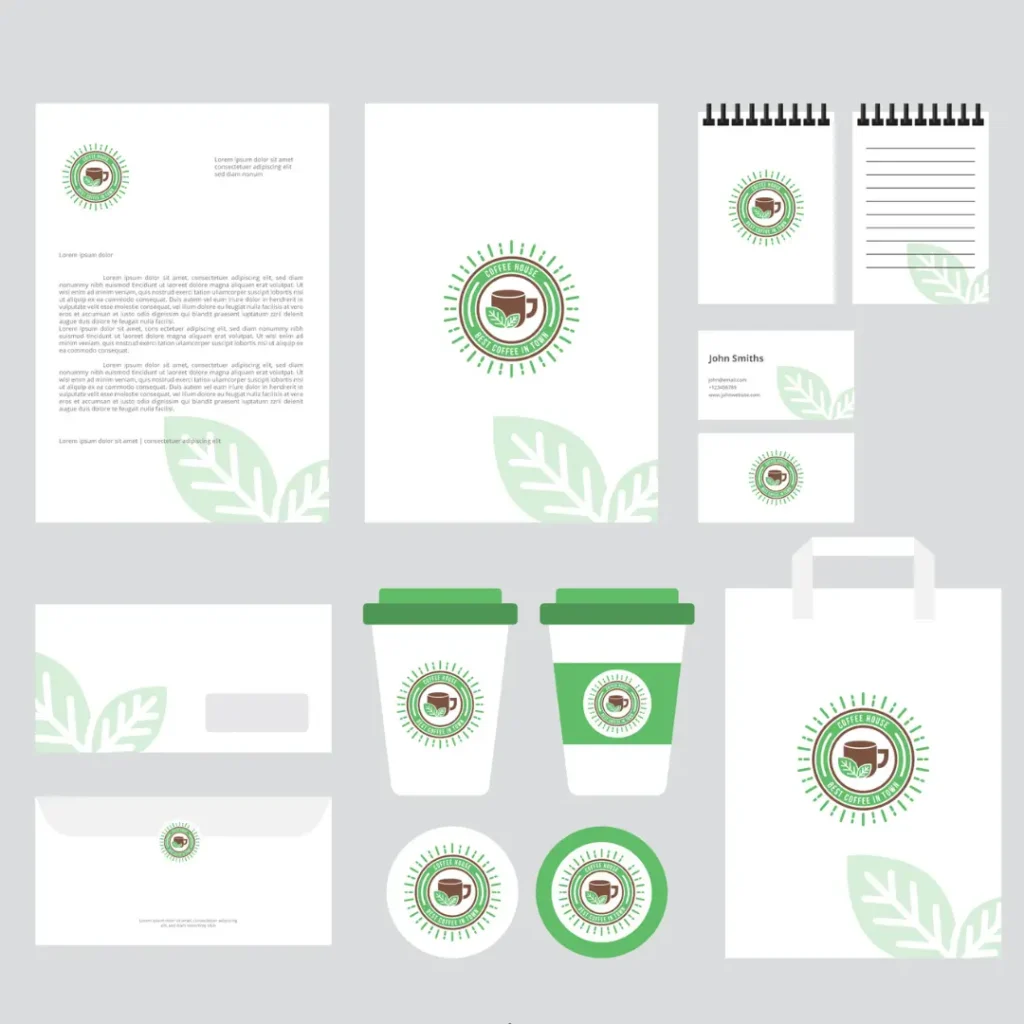
Why Full-Service Printing Matters for Multi-Location Businesses is a practical question for franchises, healthcare groups, schools, contractors, retail chains, real estate teams, and regional service companies. For a company placing larger or recurring print orders, the decision is not only about price. It is about reliability, brand consistency, timing, material choices, and whether the printer can help prevent avoidable waste before a job goes into production.
Stone Mountain Printing serves businesses in New Jersey and the surrounding NJ/NY area with a simple point of view: if it is printing, it should be possible to start the conversation with SM Printing. That includes everyday business materials, marketing collateral, direct mail, signage, labels, packaging, booklets, and custom projects.
1. Use full-service printing to organize multi-location needs
A single location can manage print informally for a while. Add more locations, teams, events, vehicles, service areas, or product lines, and the system gets harder. One office orders cards, another orders banners, a manager updates a flyer, and a branch prints labels from an outdated file. Full-service printing helps bring that activity back under control.
2. Consistency is a revenue issue
When signs, cards, forms, brochures, and packaging look different by location, customers feel the inconsistency. The brand appears less organized, even when the service is strong. Consistent print helps every branch or team present the same level of professionalism.
3. A full-service partner reduces handoffs
Multi-location businesses often need more than paper. They may need exterior signs, window graphics, forms, folders, appointment cards, direct mail, event materials, promotional pieces, labels, and product packaging. Working with one broad-capability printer reduces vendor management and helps campaigns stay aligned.
4. Plan for local flexibility
Consistency does not mean every piece is identical. Locations may need different addresses, staff names, service areas, languages, offers, or event details. The key is building templates and approval rules so local customization happens within the brand system.
5. How SM Printing helps regional teams
SM Printing can support New Jersey businesses that need a practical print partner for many kinds of work. From office essentials to large-format signage and marketing materials, the value is not just production. It is helping a busy organization keep printed touchpoints organized as the business grows.
A quick planning checklist
- Define the business goal before choosing format, paper, size, or finish.
- Confirm who will approve the proof and who owns the final file.
- Ask what can be standardized for easier repeat orders.
- Plan pickup, delivery, mailing, or installation before the deadline gets tight.
- Keep one clear call to action on customer-facing pieces.
Where to go next
If your business is planning a larger print order or wants to organize recurring print needs, review the related SM Printing service pages: service details, related print capabilities, and contact SM Printing for a project conversation.
Frequently asked questions
What does full-service printing include?
Full-service printing can include business collateral, marketing materials, direct mail, signage, banners, labels, packaging, booklets, forms, and custom print projects.
Why do multi-location businesses need print standards?
Print standards keep brand identity, contact information, quality, and customer experience consistent across teams and locations.
Can local details be customized without losing brand control?
Yes. Templates can allow location-specific details while preserving approved colors, logos, layouts, paper, and messaging.
Create a branch-by-branch order matrix
A full-service printing program should identify what stays fixed and what can change at each branch. Keep approved logos, colors, stock and layout rules separate from local addresses, staff details and offers. Build an order matrix showing the item, artwork version, quantity, delivery address and named recipient for each location. Ask local managers to approve their own details before central purchasing releases the complete order.
For recurring full-service printing, avoid treating every branch as a new artwork project. Save approved templates and a revision log so changes are traceable. Confirm whether each shipment needs its own packing list and how missing or damaged items should be reported. Review usage by location before allocating the next run; equal quantities are not always the right quantities. Consult Adobe’s PDF preflight documentation for file checks before production approval.


Leave a Reply